
Burdock: The Humble Root with a Legendary Past
Walk through a meadow in late summer and you might meet burdock without even knowing it. You’ll feel its greeting later when those little burrs hitch a ride on your socks, sleeves, or even your dog’s fur.
To most people, it’s a mild inconvenience. To our ancestors, it was nature’s way of saying: “Hey, pay attention — I have something to offer.” And they were right. Burdock has been medicine, food, art, and even the spark behind a life-changing invention.
Today, it’s one of the three powerhouse ingredients in our SBB Formula — Sea Moss, Bladderwrack, and Burdock — continuing a story that’s been unfolding for centuries.
Where It All Began
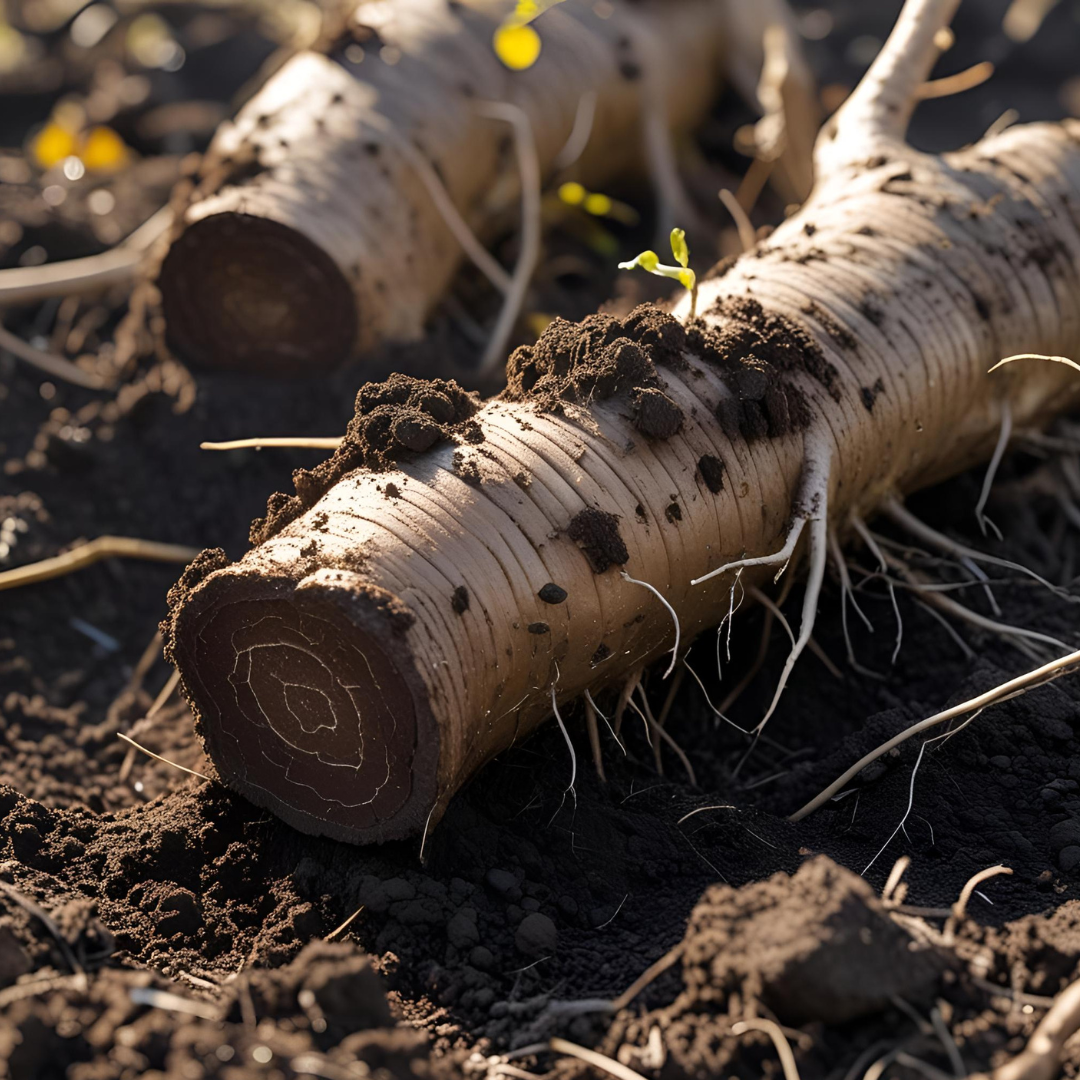
Burdock (Arctium lappa and Arctium minus) is native to Europe and Asia, thriving in open spaces with rich soil. It’s not shy — it’ll grow along roadsides, in pastures, or on the edges of gardens. Early European settlers brought it to North America in the 1600s, and it spread so quickly people assumed it had always been here.
Its ability to adapt and flourish anywhere made it easy for communities worldwide to experiment with its uses.
The Burr That Changed the World
The plant’s most famous feature — the burr — has been both a blessing and a nuisance for centuries. Ancient shepherds noticed how easily the burrs clung to wool. Hunters found them stuck to animal hides after a trek. Children in rural Europe even used them to make “burr balls” for tossing games.
Then came one of burdock’s biggest modern claims to fame: In 1941, Swiss engineer Georges de Mestral took a burr home after a hunting trip, examined it under a microscope, and discovered its tiny hook-and-loop structure. That observation led to Velcro, now used in everything from sneakers to spacesuits. All thanks to a little walk in the fields.
Burdock in Traditional Healing
Across cultures, burdock has been a trusted companion in wellness for thousands of years.
Medieval Europe:
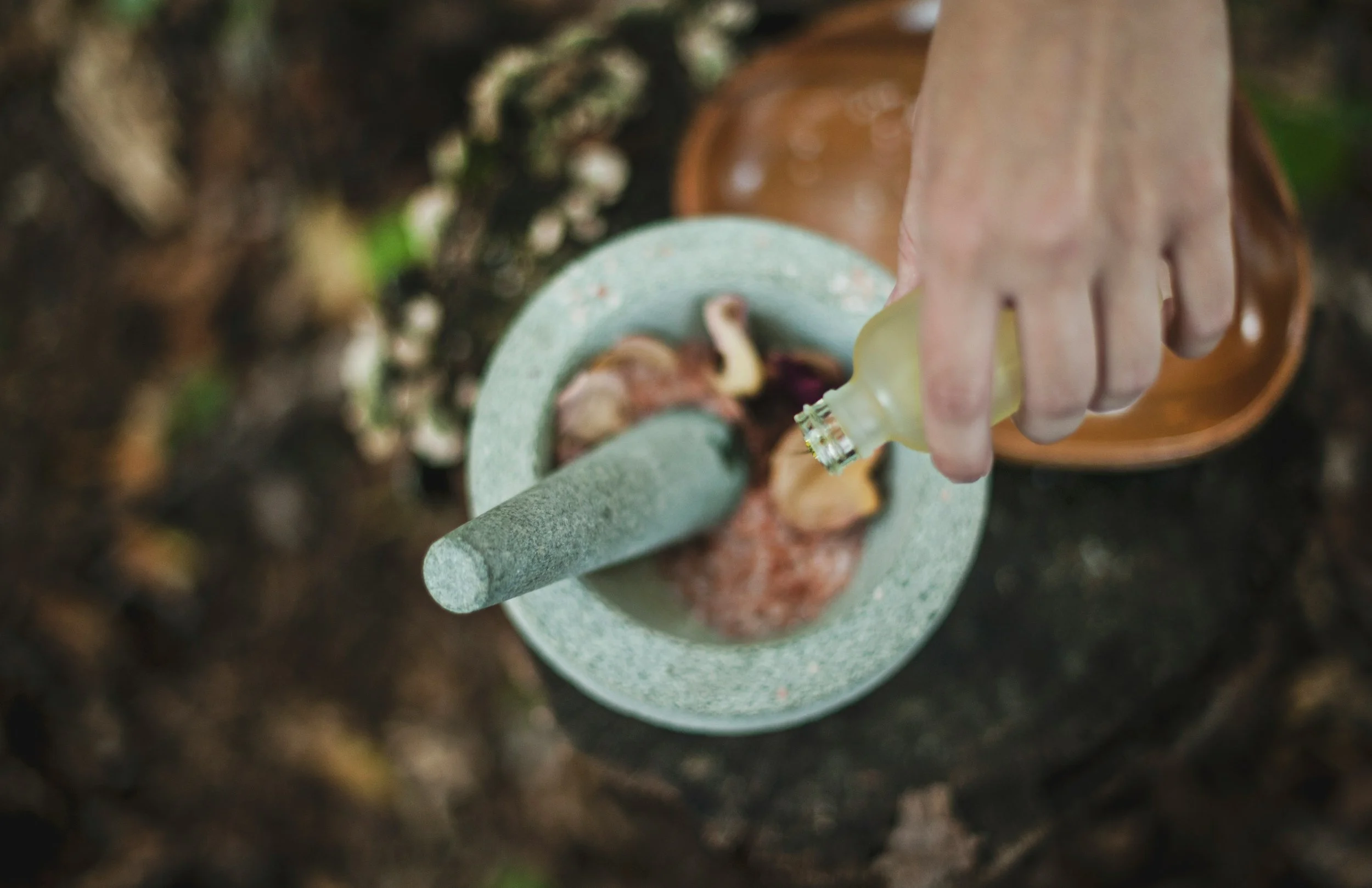
Burdock root tea was a go-to “blood purifier.” Healers used it for skin conditions, digestive issues, and even as a hair rinse for shine. In some areas, people braided burdock leaves into protective charms or hung them over doors to ward off misfortune.
Traditional Chinese Medicine (TCM):
Known as niúbàng, burdock was believed to “clear heat” and “resolve toxicity.” Both root and seeds were used for sore throats, skin rashes, and to support lung function.
Native American Traditions:
The Cherokee used burdock for skin conditions, as a diuretic, and to “clean the blood.” The Iroquois prepared poultices from the leaves for burns and swelling.
Japan:
Burdock root, or gobo, is part of the culinary tradition. It’s stir-fried, pickled, or simmered in soups, prized for its earthy flavor and ability to “ground” a meal.
Britain & Ireland:
Burdock was brewed with dandelion to make a naturally fermented beverage—a kind of herbal soda still enjoyed in some UK towns.
Scandinavia:
Burdock leaves were sometimes used to wrap butter or cheese for storage, taking advantage of their large size and natural antimicrobial properties.
Survival & Resilience
Burdock has earned a place in history not just for its flavor and healing, but for its role in survival:
World War II Japan – In prisoner-of-war camps, burdock root was foraged and boiled for sustenance when other foods were scarce.
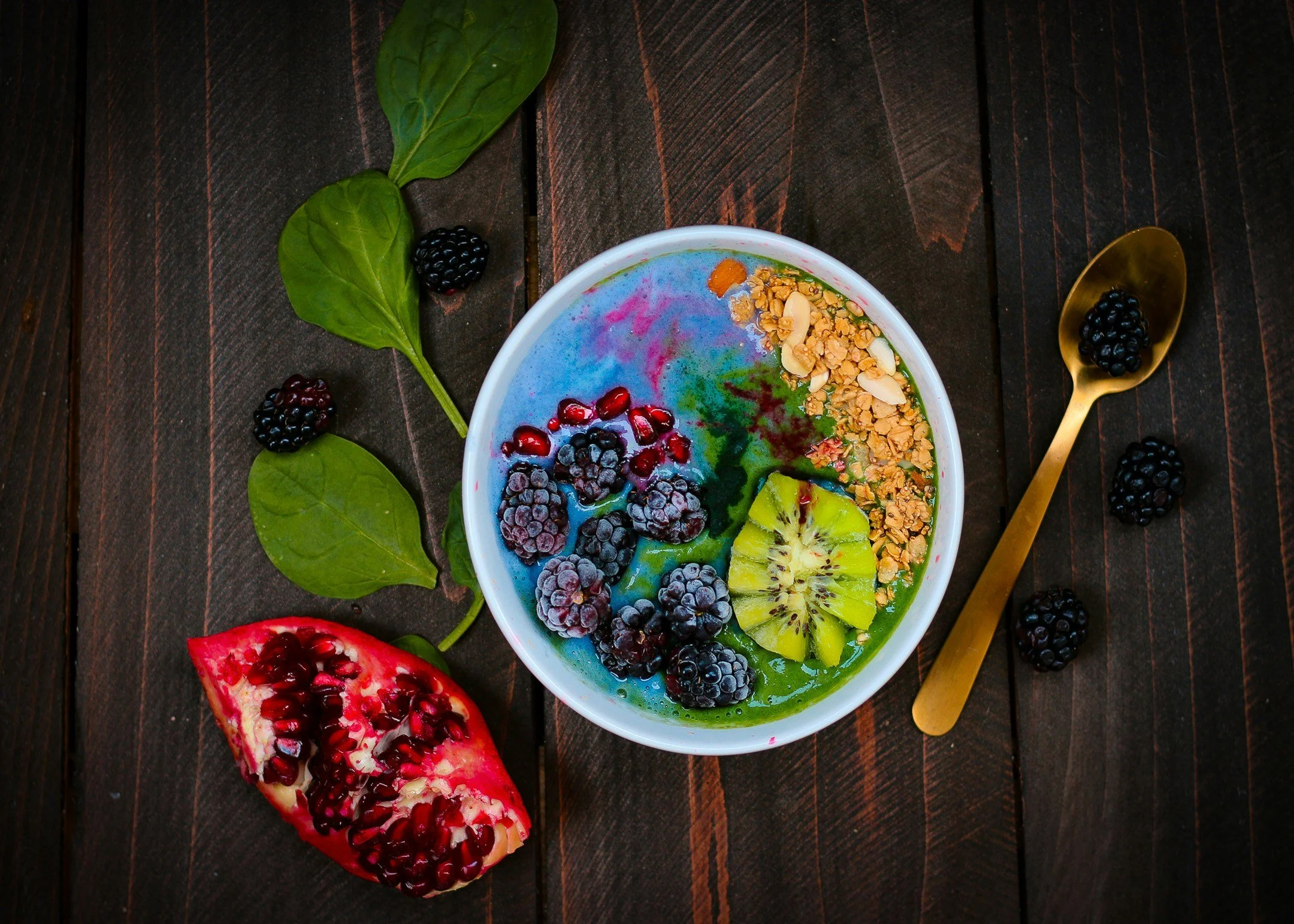
Medieval Famine Foods – In parts of Europe, when crops failed, people turned to burdock roots and leaves for calories and nutrition, often roasting the roots like parsnips.
Nomadic Tribes in Central Asia – Carried dried burdock root on journeys, rehydrating it in soups or stews for energy on the road.
Burdock Beyond the Kitchen
Burdock has also left its mark on art, culture, and everyday life:
Folk Symbolism – In Norse legend, burdock was linked to Thor, the god of strength and protection.
Middle Eastern & Turkish Art – The burr’s hook shape appears in kilim rug patterns, symbolizing protection and abundance.
Children’s Crafts – In rural Europe and North America, kids made animal shapes or chains from burrs, turning nature into toys.
Why Burdock Still Matters
Ancient healers didn’t know the words “antioxidants” or “inulin,” but they knew burdock worked. Today, modern science confirms it: burdock root is rich in compounds that support detoxification, digestion, skin health, and overall vitality.
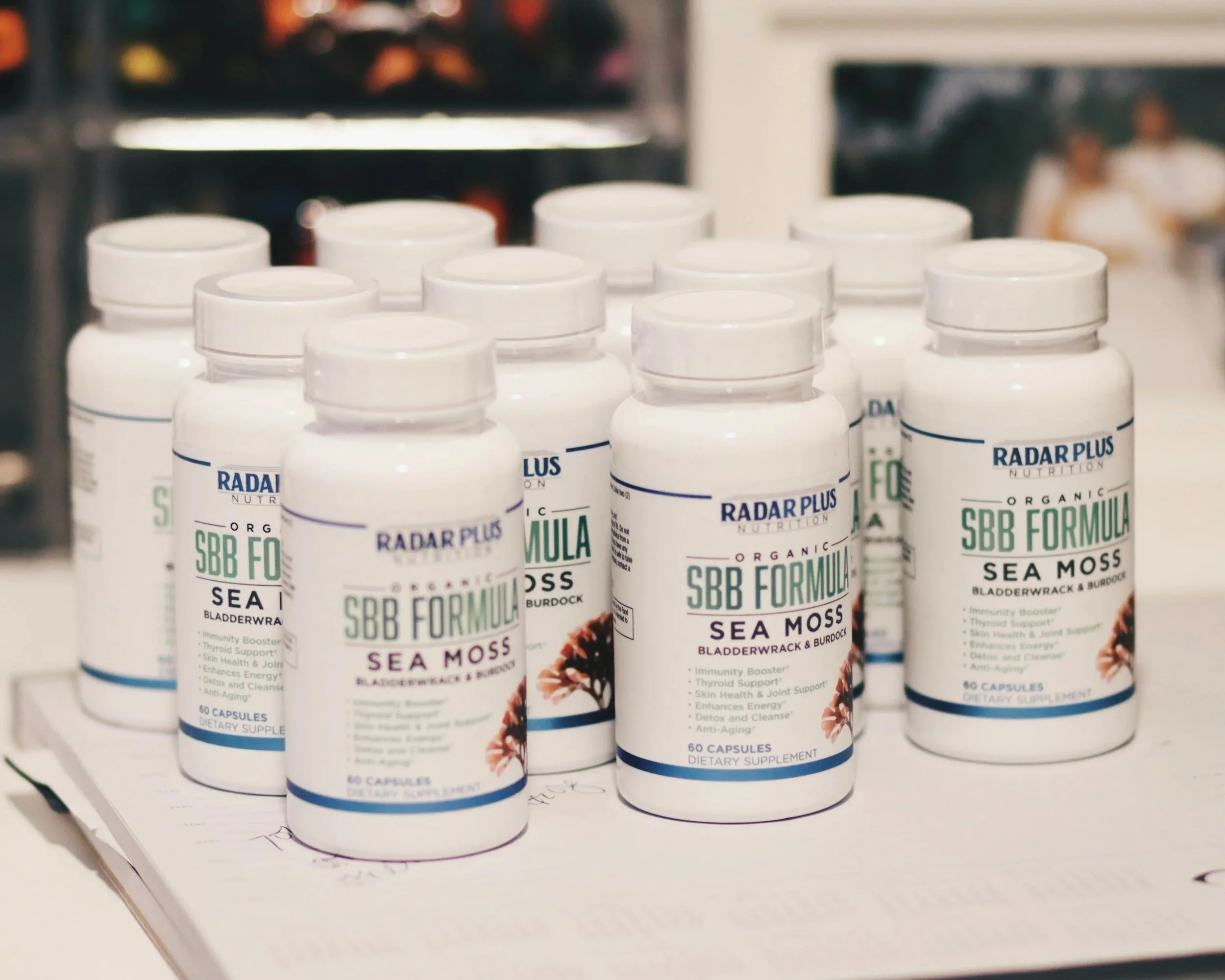
That’s why Radar Plus Nutrition includes it in the SBB Formula — to combine the wisdom of the past with the precision of modern wellness.
From Field to Formula
When you take our SBB Formula, you’re tapping into a legacy that’s been carried in burrs, roots, and recipes across centuries and continents. It’s a plant that’s fed soldiers, healed villagers, inspired inventors, and even decorated rugs.
Don’t just read about burdock experience it. Our SBB Formula blends burdock with sea moss and bladderwrack for a nutrient-rich, time-tested supplement that supports your body from the inside out.
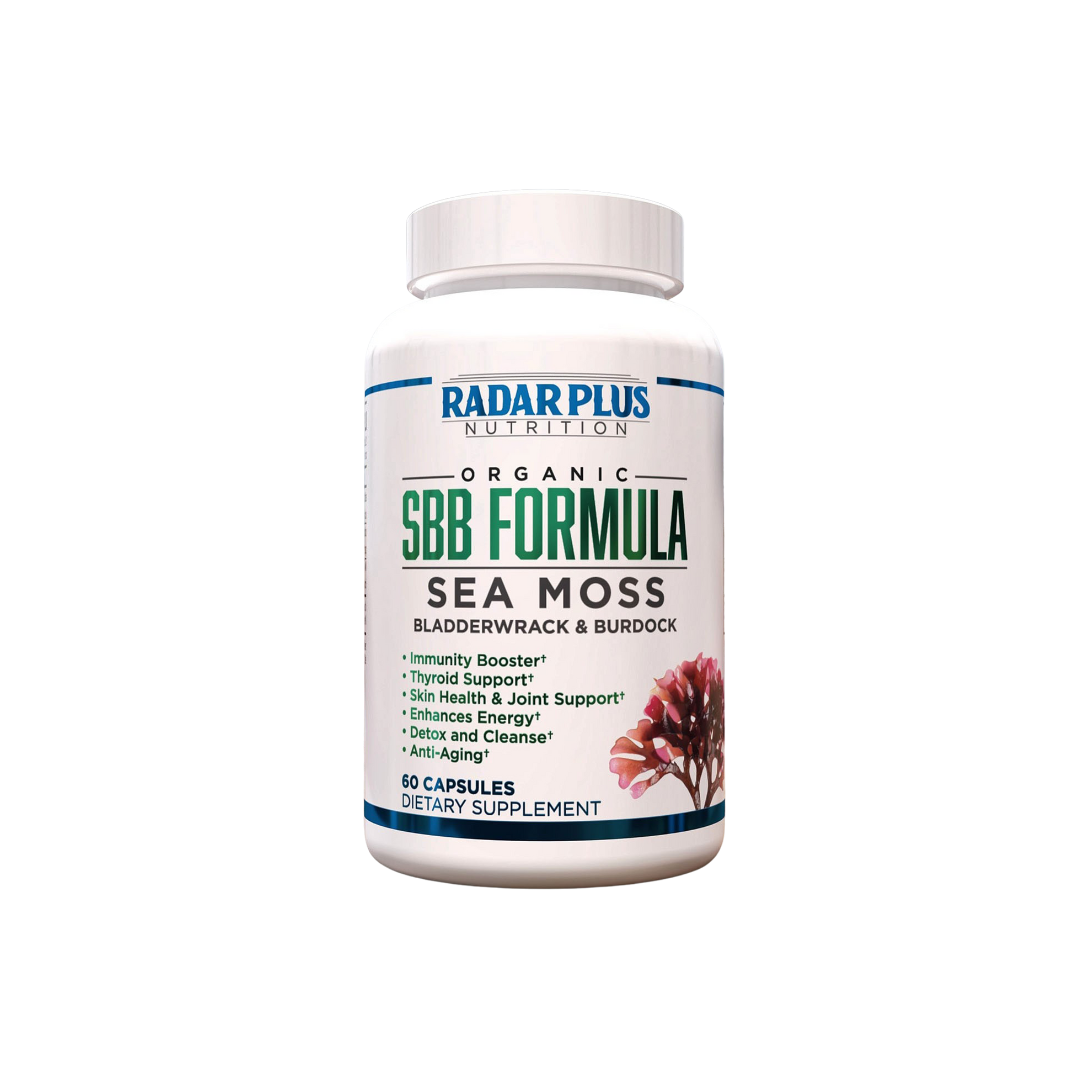
Looking for a natural supplement to boost your overall health? Look no further than the SBB Formula! Our sea moss pill supplements contain 102 essential minerals to help you increase energy levels, reduce fatigue, and strengthen your immune system. With wild-harvested sea moss, Bladderwrack, and organic burdock root, our 1500mg vegan capsules are a convenient way to take these powerful ingredients. Take two capsules once a day with food and water to experience the benefits of improved gut and thyroid health, younger-looking skin, and enhanced cell turnover. Try the SBB Formula today and get on the path to improved health!———
Sea Moss, Burdock, and Bladderwrack are three natural ingredients traditionally used to support and boost libido. Here's a breakdown of their roles:
1. Sea Moss: Sea Moss, also known as Irish Moss, is a seaweed rich in essential minerals, vitamins, and antioxidants. It contains a high amount of zinc, crucial for reproductive health and hormone production. Zinc deficiency can lead to decreased libido and sexual dysfunction. Sea Moss may help support healthy hormone levels and enhance libido by providing adequate zinc.
2. Burdock: Burdock root is a medicinal herb used for centuries to support overall health and vitality. It contains various compounds associated with increased sexual desire and performance. Burdock root is known for its ability to promote blood circulation and detoxification. By improving blood flow to the reproductive organs, it may enhance sexual function and boost libido.
3. Bladderwrack: Bladderwrack is a type of seaweed rich in iodine, which is essential for producing thyroid hormones. The thyroid gland regulates metabolism and hormone balance, including sexual hormones. By supporting thyroid function, Bladderwrack may indirectly contribute to a healthy libido.
------
*It's important to note that individual results may vary, and these ingredients should be used as part of a balanced and healthy lifestyle. It's always recommended to consult with a healthcare professional before incorporating any new supplements or herbs into your routine, especially if you have any underlying health conditions or are taking medications.
It’s more than a product, it’s a connection to centuries of tradition and natural wellness.
Discover the SBB Formula today and let this legendary root become part of your modern health story.
Remember: burdock isn’t just sticking to you it’s sticking with you, the way it has for generations.