
Bladderwrack: The Sea’s Ancient Gift to Modern Wellness
Have you ever wondered how people discovered the natural remedies we use today?
Long before modern science and fancy labs, our ancestors were figuring out which plants could heal and nourish their bodies. Bladderwrack — one of the key ingredients in our SBB Formula — has a fascinating story that stretches back centuries. Let’s dive into the rich history of this remarkable seaweed and discover why it’s been treasured across time and cultures.
What is Bladderwrack?
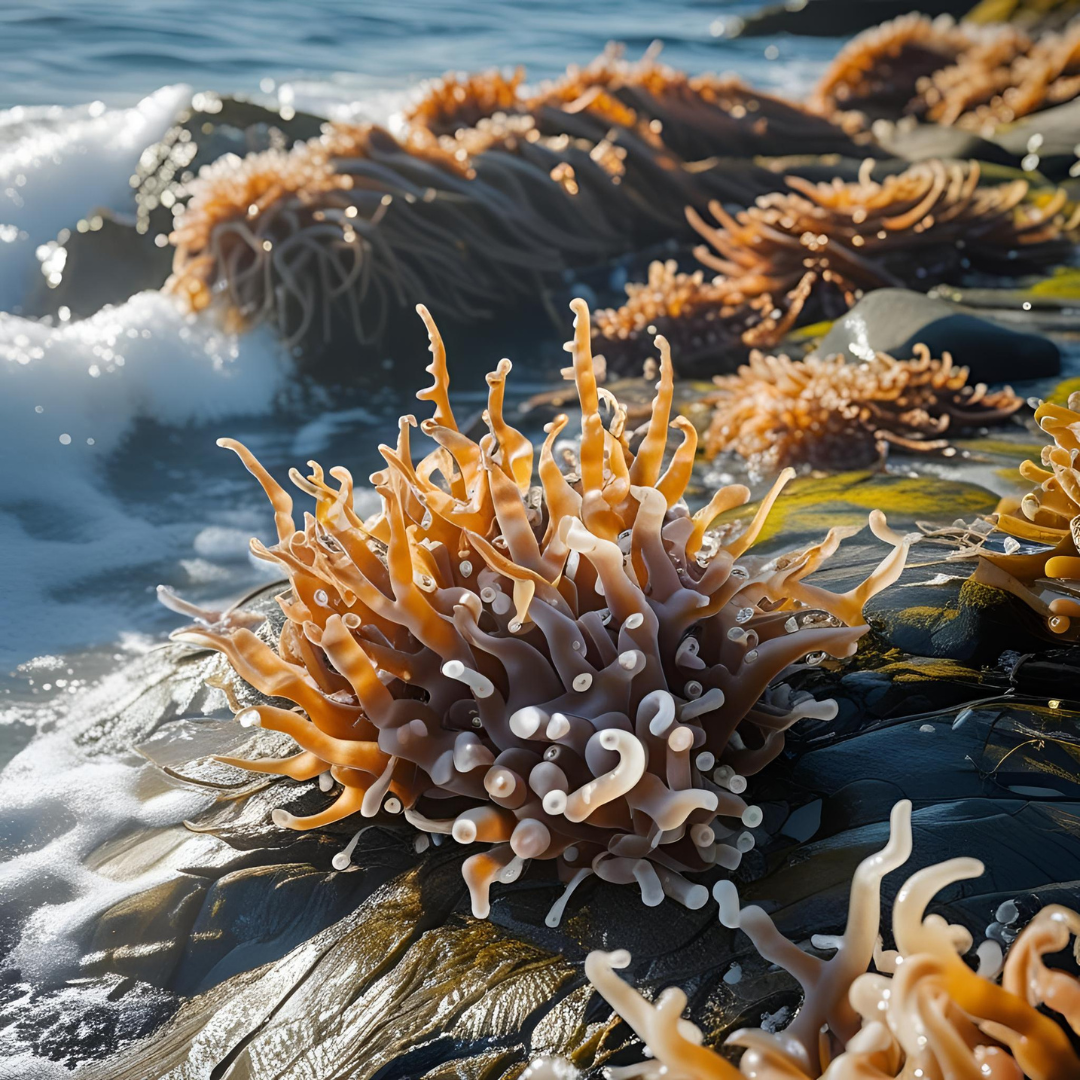
Bladderwrack is a brown seaweed that thrives in cold, shallow coastal waters, often attaching itself to rocks. The small air-filled pods or “bladders” along its fronds help it float toward the sunlight, enabling it to photosynthesize efficiently. While it’s closely related to kelp, bladderwrack has its own unique nutrient profile and history of use.
From Ocean Shores to Ancient Medicine Cabinets
Picture yourself walking along a rocky coastline hundreds of years ago. You might have spotted Bladderwrack a brownish-green seaweed with small air-filled pods (that’s where it gets the name “bladder-wrack”). These little air sacs helped the seaweed float in the water, but our ancestors discovered they held much more than just air.
The story of Bladderwrack as a healing plant begins in the early 1300s in Portugal. While people had likely been using it even earlier, this is when we first see records of organized harvesting. Think about that nearly 700 years ago, people were already recognizing the special properties of this seaweed!
By the 1600s, Bladderwrack had become so valuable that it formed the backbone of Northern Europe’s kelp industry. Coastal communities didn’t just harvest it occasionally; they built entire livelihoods around collecting and processing this gift from the sea.
The “Aha!” The Moment That Changed Everything
The most significant breakthrough in understanding Bladderwrack came in 1811, during the Napoleonic Wars. A French scientist named Bernard Courtois was extracting materials from seaweed ash to make gunpowder when he accidentally discovered something revolutionary: iodine.
This wasn’t just any discovery. Before this moment, people didn’t know why Bladderwrack helped with specific health issues they just knew it worked. Courtois’ discovery eventually helped us understand that Bladderwrack’s high iodine content was supporting thyroid health, something our ancestors had benefited from without knowing the science behind it.
It’s like they had found the right key without knowing exactly how the lock worked!
Where in the World Is Bladderwrack?
Bladderwrack isn’t found everywhere it grows in specific coastal areas, including:
The North Sea
Western Baltic Sea
Atlantic Ocean coastlines Pacific Ocean shores
What makes this seaweed special is its adaptability. While it prefers water with a certain salt content, it can survive in different conditions from the deeper waters of the Central Baltic (up to 4.5 meters deep) to the shallower Kattegat and Danish Belts (about 1.5 meters deep).
This adaptability meant that diverse coastal communities across different regions could access and benefit from this natural resource

How Different Cultures Embraced Bladderwrack
Egyptian Healing Wisdom
Ancient Egyptians were among the first to recognize Bladderwrack’s healing potential. They used it to treat: Breathing problems Stomach and digestive issues Skin conditions Bladderwrack was so valued in Egyptian culture that archaeologists have found it included in some pharaonic tombs— talk about taking your supplements to the afterlife!
European Traditions: From Medicine to Survival Food
In Ireland, Bladderwrack played a dual role. It was used as medicine for respiratory problems, but during the devastating potato famine, it became something even more crucial—a food that helped people survive when crops failed. Irish families would prepare Bladderwrack in soups and broths, extracting life-sustaining nutrients during times when little else was available. This seaweed helped keep communities alive during their darkest hours. Meanwhile, Greek and Roman healers were using Bladderwrack for something completely different—reducing inflammation and easing joint pain. They would dry and grind it into powders or create poultices (like a natural healing paste) to apply directly to painful areas.
African and Caribbean Healing Practices
Long before modern science confirmed Bladderwrack’s benefits for thyroid health, traditional healers in West Africa were already using it to treat thyroid issues and infections. They recognized its power centuries before laboratory tests could explain why it worked. In Caribbean traditions, Bladderwrack became part of health tonics both drinks and topical applications that were passed down through generations. These family recipes preserved the knowledge of this seaweed’s healing properties, creating a living legacy of natural wellness.
How Our Ancestors Harvested and Used Bladderwrack
Have you ever followed a recipe that’s been in your family for generations? Our ancestors had their own “recipes” for harvesting and preparing Bladderwrack, developed through careful observation and passed down through the years.
The Harvesting Calendar
Unlike modern supplements that are available year-round, traditional Bladderwrack harvesting followed nature’s calendar:
Best harvesting time: Spring and early summer
Harvesting method: Cutting the seaweed while leaving the “holdfast” (the root-like base) intact so it could regrow
Selection criteria: Choosing mature plants with well-developed air bladders, which indicated higher potency.
This sustainable approach ensured that Bladderwrack would continue to grow and be available for future generations — an early form of environmental stewardship.
From Ocean to Medicine
Chest After harvesting, Bladderwrack needed to be preserved. The process typically involved:
Spreading the seaweed out to dry in the sun for several days.
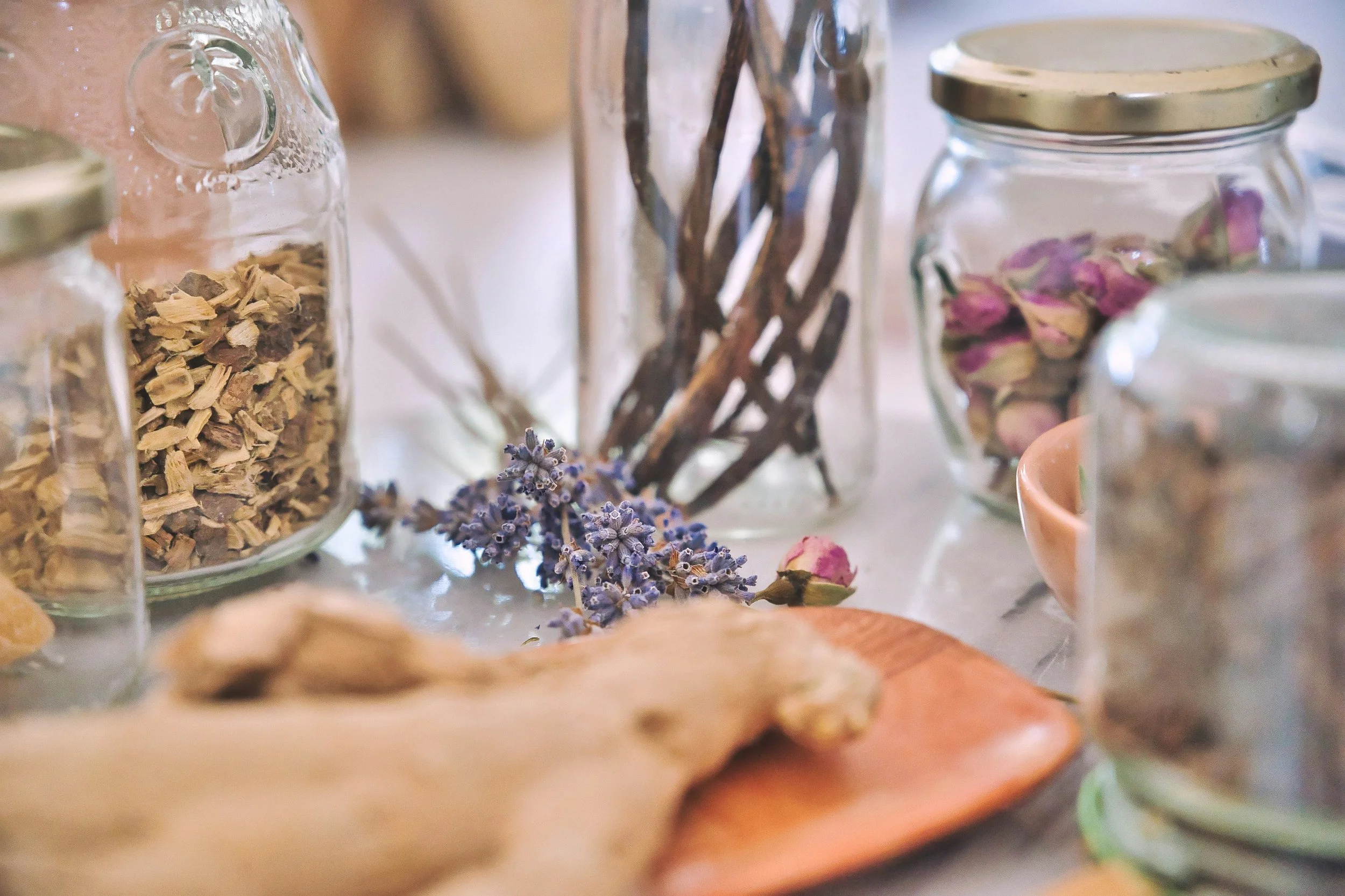
Storing the dried seaweed in glass containers to protect it from moisture.
Using it within six months to ensure its healing properties remained potent.
Without refrigeration or modern preservation methods, this careful process allowed communities to maintain their supply of this valuable resource throughout the year.
Traditional Healing Applications
Coastal communities used Bladderwrack in various ways:
For thyroid health: Prepared as teas or taken in powder form to provide natural iodine
For weight management: Consumed as a dried herb to support metabolism
For skin conditions: Applied externally as poultices or salves
For joint pain: Created compresses to reduce inflammation and discomfort
For tea preparation, they would either steep the dried seaweed for 4-5 minutes (if using tea bags) or simmer it for 10-15 minutes (if using loose form). The dosage varied based on the specific health need and the person.
The Bridge Between Ancient Wisdom and Modern Science
What makes Bladderwrack’s story so fascinating is how modern science has validated what our ancestors discovered through observation and experience.
Today, we know that Bladderwrack contains several potent compounds:
Iodine: Essential for thyroid function and preventing goiter
Fucoidan: A compound with anti-inflammatory and potential anti-cancer properties
Phlorotannins: Natural antioxidants that help protect cells
Fucoxanthin: A compound being studied for various health benefits
When Bernard Courtois discovered iodine in 1811, he provided the scientific explanation for what traditional healers had known for centuries that this seaweed could help with thyroid-related conditions.
This connection between traditional wisdom and scientific validation continues today, as researchers study the historical uses of Bladderwrack to inform modern applications and discover new benefits.
Bladderwrack’s Journey to Your Wellness Routine
From ancient Egyptian healing practices to Irish survival food, from West African traditional medicine to your SBB Formula — Bladderwrack has traveled through time and across cultures to become part of your wellness journey.
When you take our SBB Formula, you’re not just benefiting from a random ingredient. You’re connecting with a rich tradition of natural healing that spans centuries and continents. You’re participating in a story that includes Portuguese harvesters from the 1300s, Irish families during the potato famine, West African traditional healers, and countless others who recognized the power of this remarkable seaweed.
At Radar Plus Nutrition, we’ve carefully combined Bladderwrack with Sea Moss and Burdock to create our signature SBB Formula — bringing together three powerful natural ingredients with rich historical traditions of their own. We’re proud to continue this legacy of natural wellness and to share these gifts from nature with you. SBB Formula
The next time you take your SBB Formula, take a moment to appreciate the centuries of wisdom, discovery, and healing that have gone into that simple capsule. It’s not just a supplement — it’s a connection to our shared human history of working with nature to support our health and wellbeing.
Ready to experience the time-tested benefits of Bladderwrack as part of our carefully crafted SBB Formula?